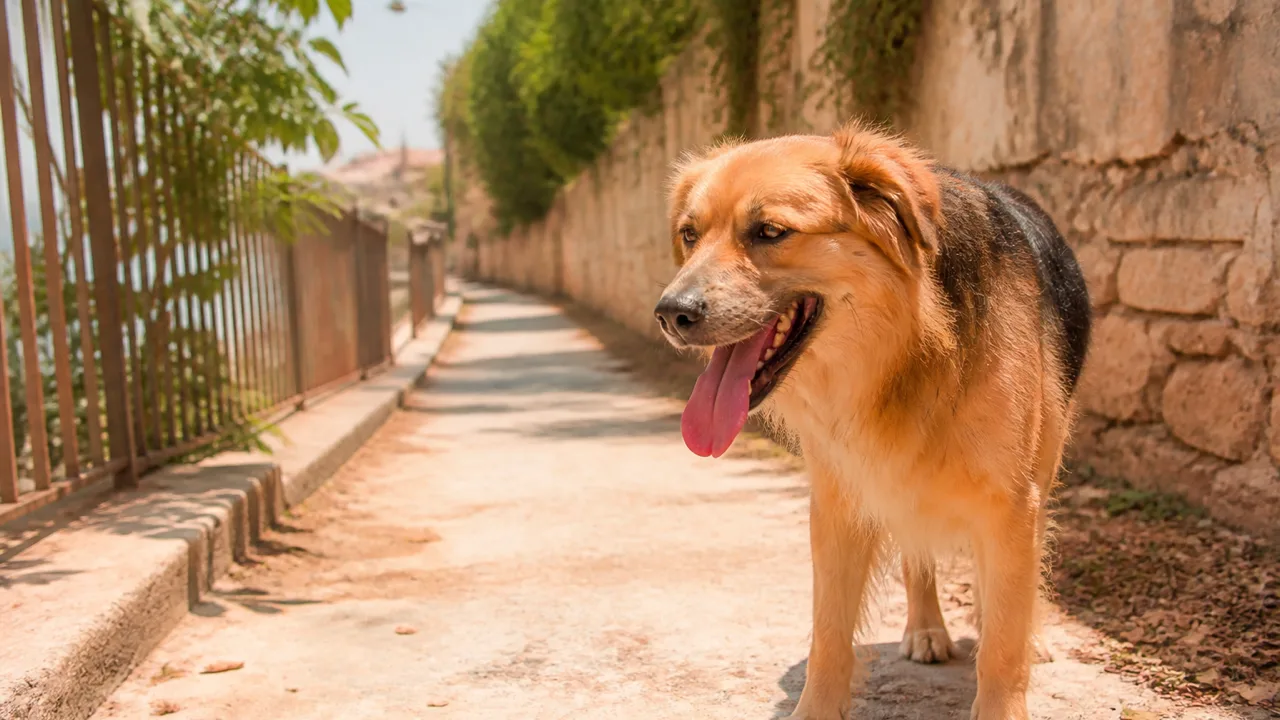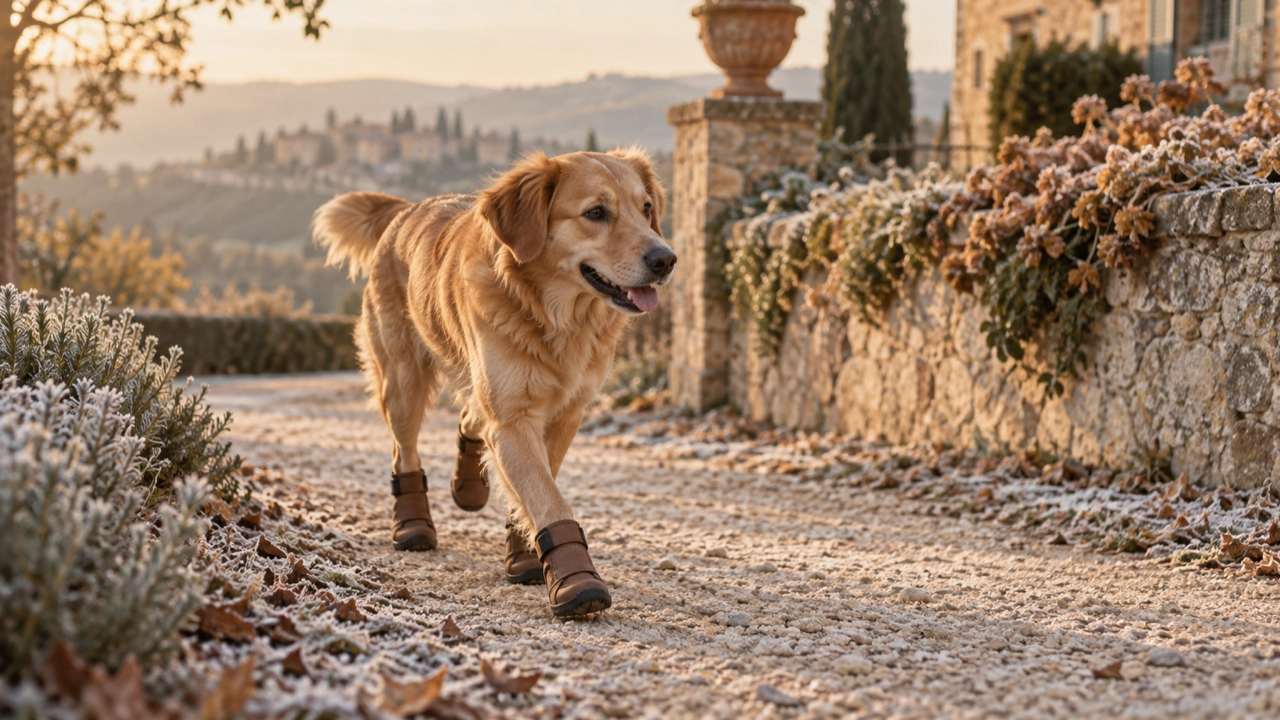
Dogs don’t sweat the way we do. A person can feel thirst creeping in and reach for a bottle without thinking twice — a dog relies almost entirely on panting to cool down, and by the time panting turns heavy, they’re often already behind on fluids.
The rule of thumb
As a starting point, most dogs need roughly 1 ounce of water per pound of body weight per day under normal conditions. On a hike, that number climbs — heat, exertion, and altitude all push fluid needs higher, sometimes by 50% or more.
A 30-pound dog on a warm 90-minute trail walk isn’t unusual, and that dog may need 20–24 oz of water just for the outing, on top of its normal daily intake.
Watch the dog, not the clock
Scheduled water breaks are a reasonable starting habit, but the better signal is the dog itself:
- Heavy, sustained panting that doesn’t ease during a rest stop
- Dry or tacky gums (healthy gums are moist and slick)
- Slowing down or reluctance to continue
- Thick, ropey saliva
Any one of these is a sign to stop, offer water, and find shade — not to push on for “one more mile.”
Why the vessel matters as much as the water
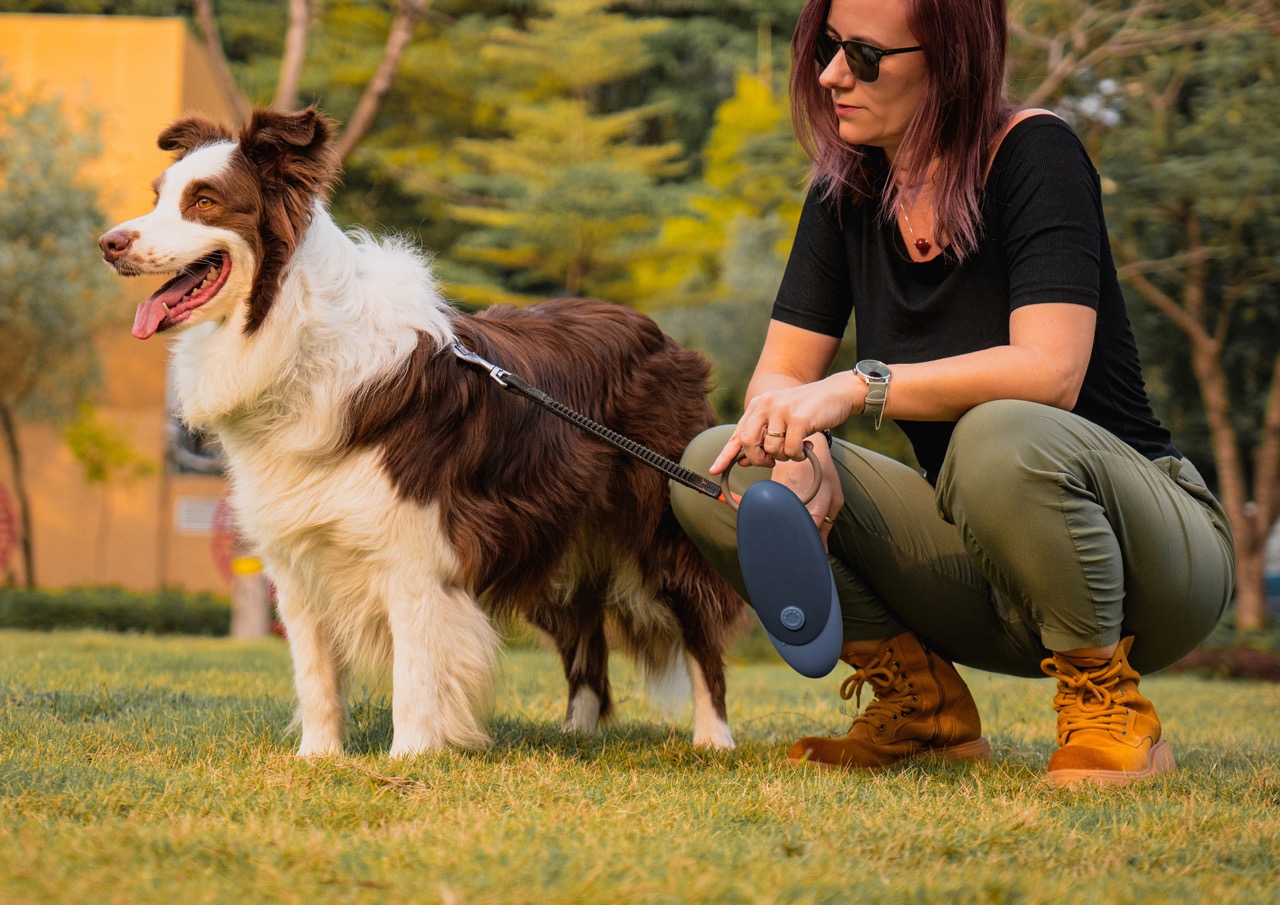
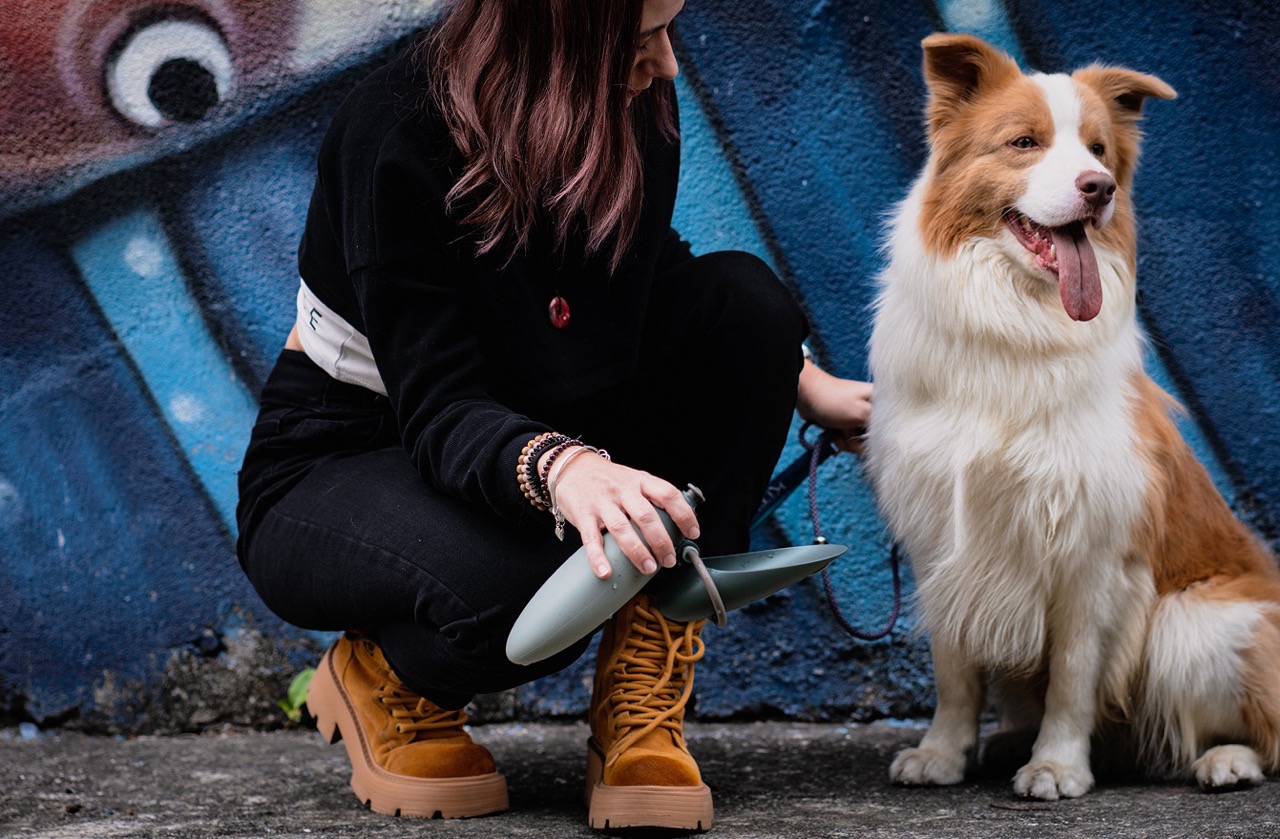
A collapsible bowl works, but it’s one more thing to dig out, unfold, fill, and pack away wet. It’s also easy to lose at a trailhead. Otto’s rotating cap turns into a bowl in one motion — no separate piece to carry, clean, or forget. On a trail, the gear that gets used consistently is the gear that adds the least friction.
A simple pre-hike checklist
- Fill before you leave the car, not at the trailhead
- Plan a water stop every 20–30 minutes in heat, longer intervals in cool weather
- Offer water before your dog seems desperate for it
- Bring roughly 1.5x what you think you’ll need — turnarounds happen
Hydration on the trail isn’t complicated, but it does take a little more attention than hydration at home. A dog that’s had consistent access to water the whole way is a dog that’s still enjoying the hike at mile four, not just tolerating it.
For more on getting outside safely with your dog, walkingdog.io’s journal covers heat safety, trail selection, and breed-specific exercise needs in more depth.