“Eco-friendly” has become one of those labels that shows up on almost everything, which is another way of saying it’s stopped meaning much on its own. A leash, a bowl, a bag of treats — the words print easily. What’s harder to find is a straight answer about what the label is actually claiming, and whether that claim holds up.
For pet gear specifically, that question is worth asking before it’s worth answering. Most of what gets called sustainable in this category falls into one of a few buckets, and they’re not equally meaningful. Some are genuine changes to how a product is sourced or built. Others are a word choice on a label that costs nothing to add and nothing to remove.
The claim usually means one of three things
When a product says “eco-friendly,” it’s almost always leaning on one of these, often without saying which:
- The materials. Recycled content, biodegradable components, or plant-based plastics instead of virgin petroleum plastic.
- The manufacturing. Lower emissions, less water use, or fewer harsh chemicals in how the thing was made — harder to verify from a product page.
- The lifespan. A product built to last years instead of months, which reduces how often it needs replacing at all.
None of these are wrong. But a bag of “biodegradable” waste bags that still needs specific industrial composting conditions to actually break down is a different claim than a bowl built to outlast three cheaper ones. Reading past the word to which bucket it’s actually in tells you more than the word itself.
Durability is the most overlooked form of sustainability
The lifespan bucket gets the least marketing attention because it’s the least exciting to print on packaging, and it’s often the one that matters most. A product that lasts five years instead of one isn’t just convenient — it’s five times less material pulled from the ground, shipped, and eventually landfilled for the same outcome.
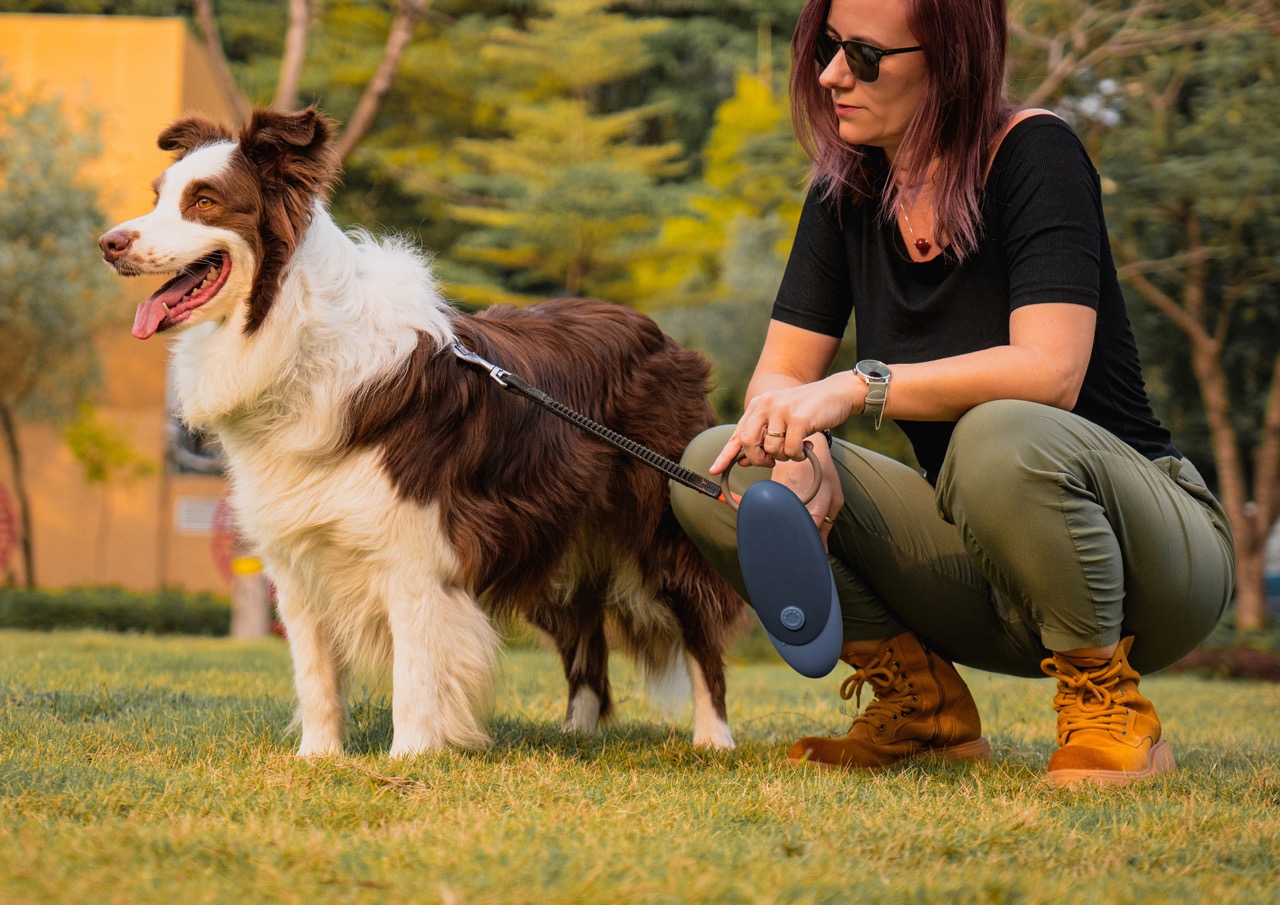
This is part of why Otto is built with a single-piece rotating bowl and a sealed flip cap instead of separate parts that wear out independently. Fewer components means fewer points of failure, which means less reason to replace the whole thing when one small piece gives out. It’s a quieter kind of sustainability than a leaf icon on the box, but it compounds every time someone doesn’t have to buy a second one.
Watch for the words doing the heavy lifting
Certain words show up disproportionately on packaging precisely because they sound meaningful without committing to anything specific:
- “Natural” describes plenty of materials that are neither renewable nor low-impact to produce. Cotton, for instance, is natural and still one of the more water-intensive crops to grow at scale.
- “Eco-conscious” or “planet-friendly” are marketing phrases, not certifications. Nobody is required to define them before printing them.
- “Sustainable” on its own says nothing about which part of the product’s life it’s referring to — sourcing, manufacturing, use, or disposal can each be sustainable or not, independently of the others.
None of this means every product using this language is being dishonest. It means the language alone isn’t evidence of anything, and treating it as a reason to buy is usually a mistake a shopper only realizes after the fact.
What sustainable pet gear actually looks like in practice
Set aside the label for a moment and look at the object itself. A leash with a single continuous strap tends to outlast one stitched from multiple layers that can separate. A collapsible bowl with no seams has fewer places for a crack to start. A bottle with one moving part — a cap, a valve — has one less thing to fail than a bottle with three.
None of these are exotic materials or certifications. They’re just design decisions that happen to reduce waste as a side effect of being better engineered. That’s a useful test in itself: a lot of genuinely sustainable design doesn’t announce itself as sustainable at all — it just looks like good design that happens to last.
What to actually look for
A few questions cut through most of the vague claims:
- Does the product name a specific material, or just say “eco-friendly” without elaborating?
- Is there a real end-of-life plan — recyclable, refillable, repairable — or does “sustainable” just mean it looks minimal?
- Would you still buy it if the sustainability language were removed from the listing? If the honest answer is no, the label is probably doing more work than the product.
Being honest about where we are
We’re not going to claim Otto is a finished sustainability story, because it isn’t one yet. We’re actively prototyping with alternative materials that reduce environmental impact, and we’d rather say that plainly than reach for language that oversells where the product is today. What we can stand behind right now is the design choice that’s already built in: fewer parts, longer life, less to replace.
That’s a smaller claim than “eco-friendly.” It’s also one we can actually back up — the same engineering decisions behind Otto’s flip cap were made with exactly this kind of longevity in mind. For a broader look at long-term wellbeing thinking that applies well beyond gear, walkingdog.io’s guide to long-term weight management makes a similar case: the choices that compound quietly over years usually matter more than the ones that look good on day one.