There is no single number of hours that tells you whether a dog is getting enough attention. An adult dog, a puppy and an adolescent will not ask the same things of a day. Even the same dog may need more support after a move, a change in routine or a difficult week.
A better question is whether your dog’s main needs are being met. Attention is not one continuous activity. It is a collection of physical exercise, mental enrichment, social connection and predictable care. When those parts are in place, a dog does not need to be entertained constantly.
Think in needs, not hours
Time together matters, but the quality and purpose of that time matter too. An hour spent sharing a room while you answer emails is not the same as a walk, a short training session or a few calm minutes of undivided contact. Your presence may be reassuring, but it does not automatically meet every need.
It helps to view attention in four buckets:
- Physical exercise: movement suited to the individual dog, from walks and play to gentle outdoor time.
- Mental enrichment: sniffing, searching, learning and making choices.
- Social connection: affectionate contact, play or quiet companionship that the dog actively enjoys.
- Predictable care: meals, toilet breaks, rest and a routine that makes the day understandable.
These buckets can overlap. A relaxed sniffing walk offers movement, novelty and time together. If you tend to measure walks only by distance, our guide to why dogs stop and sniff on walks explains why pausing can be valuable mental work.
The balance will change from day to day. A shorter walk may mean a little more searching or training indoors. The goal is a dependable rhythm, not a perfect schedule.
Being nearby is not the same as being engaged
Working from home can feel like constant attention, even when you and your dog are occupied separately. Owners with fewer shared hours may use them with more intention. Neither arrangement is automatically better.
Look for small periods of genuine engagement. Put the phone away for a short game. Let the walk include time to investigate. Practise a few familiar cues. Focused time can be more satisfying than a long stretch of distracted interaction.
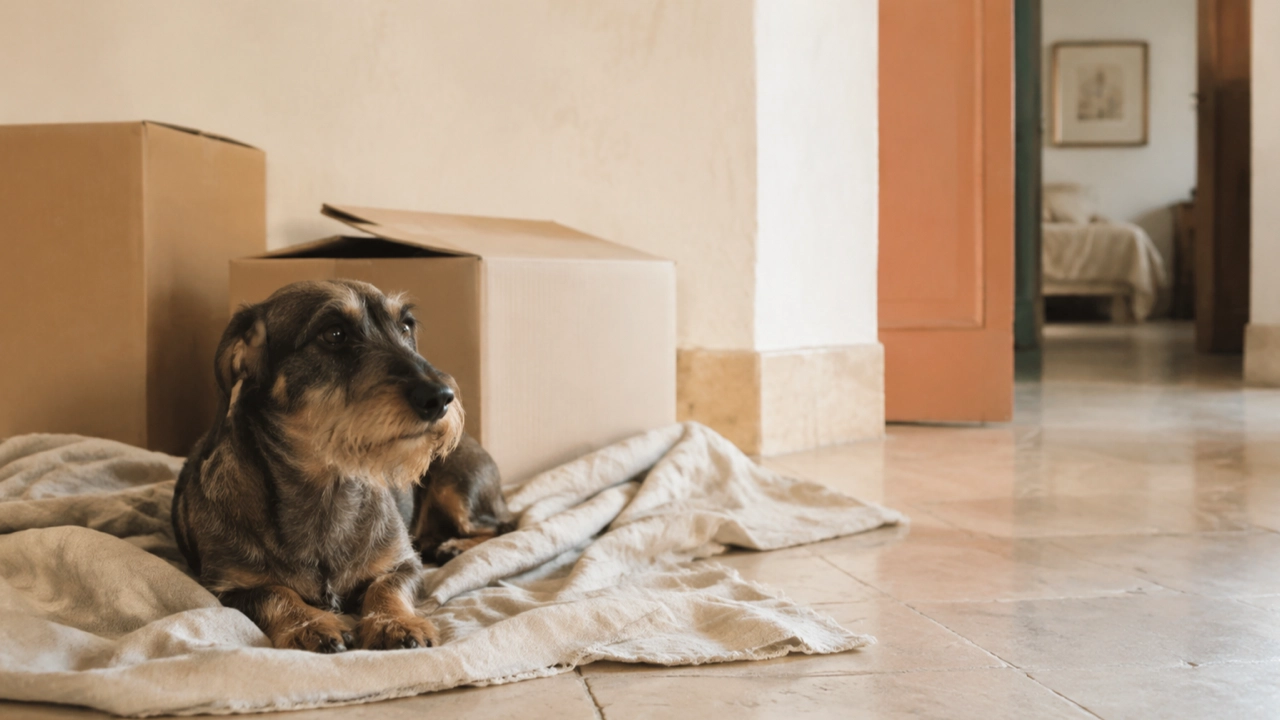
Allow ordinary periods when nothing happens. Many adult dogs sleep for a large part of the day; a commonly cited general range is around 12 to 14 hours, with individual variation. Rest is not evidence of boredom. Settling after their needs are met often shows comfort, not neglect.
Independence is a skill
If you find yourself asking, “Does my dog need constant attention?”, the answer is usually no. But a dog may still need help learning what to do when attention ends. Independence is not something every dog arrives knowing. It can be taught gradually, without making separation feel abrupt.
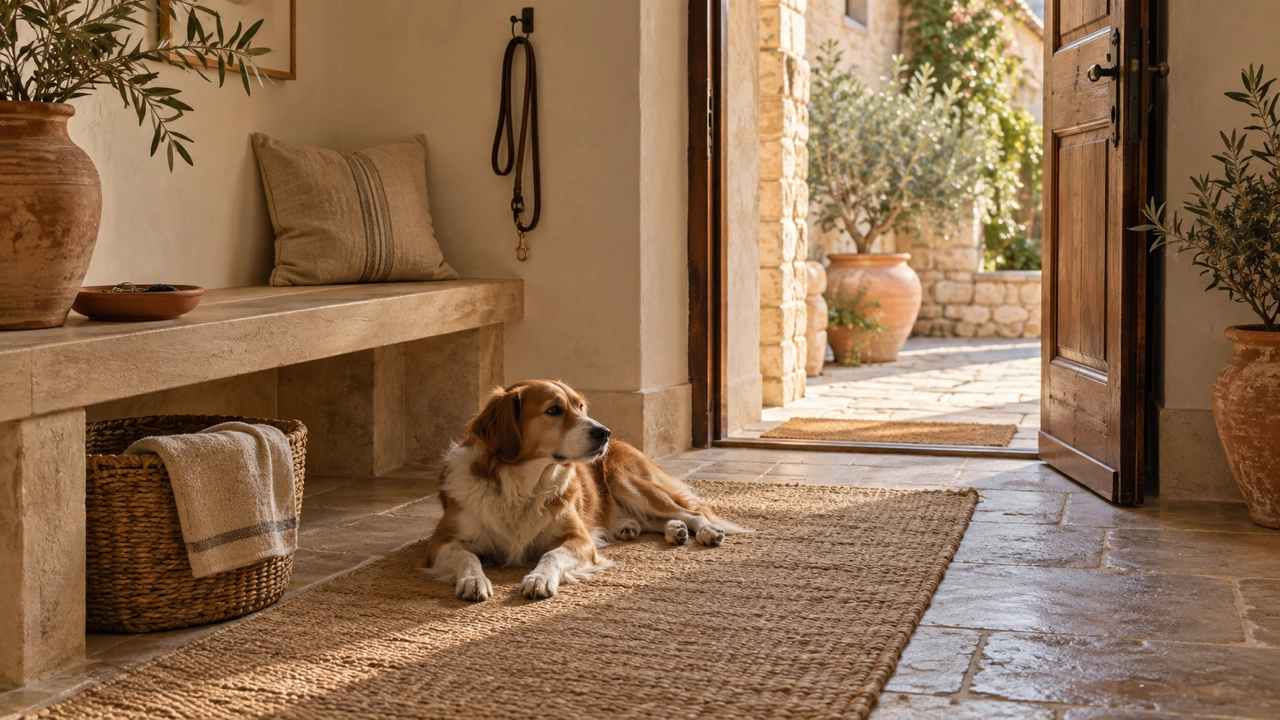
Begin while you are still at home. After a walk, meal or brief interaction, guide the day towards quiet. Offer a familiar resting place and return to your own activity. When your dog lies down, watches the room calmly or chooses to rest away from you, let that calm continue. Quietly placing a treat near them can reward the choice without turning it into an exciting event.
Avoid making attention the automatic answer to every nudge, bark or paw. First check whether a real need is present. If your dog needs the toilet, has missed a walk or seems uncomfortable, respond to that. If their needs are met, wait for a moment of calm before offering the next interaction. This helps attention become predictable rather than something the dog must repeatedly demand.
Build distance in small steps. Move to another chair, then another room briefly. Return before your dog becomes distressed. Progress means remaining relaxed, not simply staying quiet.
Create clear attention windows
A simple routine can remove much of the uncertainty for both of you. It does not need to run by the minute. Use a few dependable anchors instead.
A realistic weekday might include a purposeful morning walk, breakfast followed by rest, a midday toilet and sniff break, a short late-afternoon game or training session, then an evening walk and quiet time together. Between those windows, the dog can sleep, observe the household or occupy themselves safely.
Predictability makes settling easier because attention reliably returns. A few thoughtful windows are more useful than responding inconsistently whenever guilt appears. If you are unsure how much walking belongs in the day, this guide to whether one walk a day is enough is a useful reference — frequency alone rarely tells the whole story.
When leaving a dog alone during the day, plan around the individual rather than a work calendar alone. Consider how long your dog can comfortably manage without a toilet break, movement or contact. A dog walker, trusted neighbour or return home at lunch may be necessary. Puppies, older dogs and dogs with health needs will often require more frequent support. If your dog shows distress when left, see your vet or a qualified trainer or behaviourist rather than trying to extend the time by force.
Adjust for age and the dog in front of you
Puppies need frequent care, short learning sessions and generous sleep. They are also learning that people can move away and come back. Keep independence practice brief and easy. Long periods alone are not an appropriate shortcut to that lesson.
Adolescent dogs may have more energy, less impulse control and a renewed appetite for novelty. They often benefit from clear routines, age-appropriate movement and short tasks that give their attention somewhere useful to go.
Adult dogs vary widely. Experience, health, temperament and environment can matter as much as breed. Breed tendencies offer context, not a timetable. Dogs of one type do not all need the same exercise or contact.
Senior dogs may prefer shorter outings, more rest and gentler forms of engagement. They may also need more frequent practical care. A sudden increase in clinginess, restlessness or withdrawal is not something to dismiss as age. See your vet when behaviour changes unexpectedly.
Read patterns, not isolated moments
Too little appropriate attention can appear as repeated destructive behaviour, persistent restlessness, escalating attention-seeking or difficulty settling after long inactive periods. These signs do not prove boredom. They are prompts to review whether physical, mental, social and practical needs are being met.
Dependence can look different. A dog may follow every movement, struggle whenever a door closes, interrupt all independent activity or become distressed as soon as attention shifts away. More constant reassurance can sometimes deepen the pattern. Calm routines and gradual independence work are usually more useful than making yourself permanently available.
Context matters. Destructive behaviour can have many causes. Clinginess can reflect discomfort or fear. Restlessness can also signal a problem unrelated to the daily schedule. If a behaviour is sudden, severe or persistent, see your vet. A qualified trainer or behaviourist can help with an individual plan when the issue is behavioural.
Aim for a day that feels secure
Working full-time and caring well for a dog are not incompatible. They do require an honest routine. Arrange the support your dog needs, protect a few focused periods together and make rest part of the plan rather than an absence of one.
The useful measure is not whether your dog had access to you all day. It is whether they had movement, interest, connection, care and the confidence to settle between them. Enough attention should leave a dog engaged with life and comfortable when life becomes quiet.
Join the Ottimo Plus waitlist for considered dog essentials designed around everyday life together.