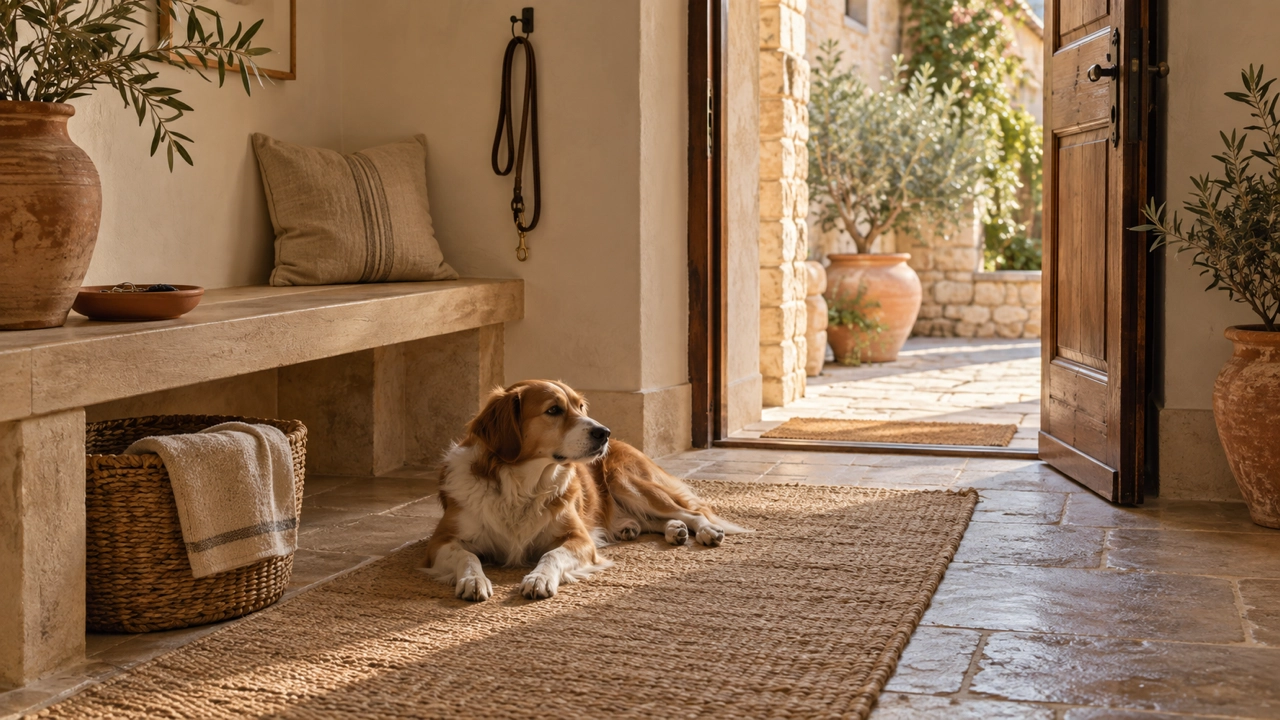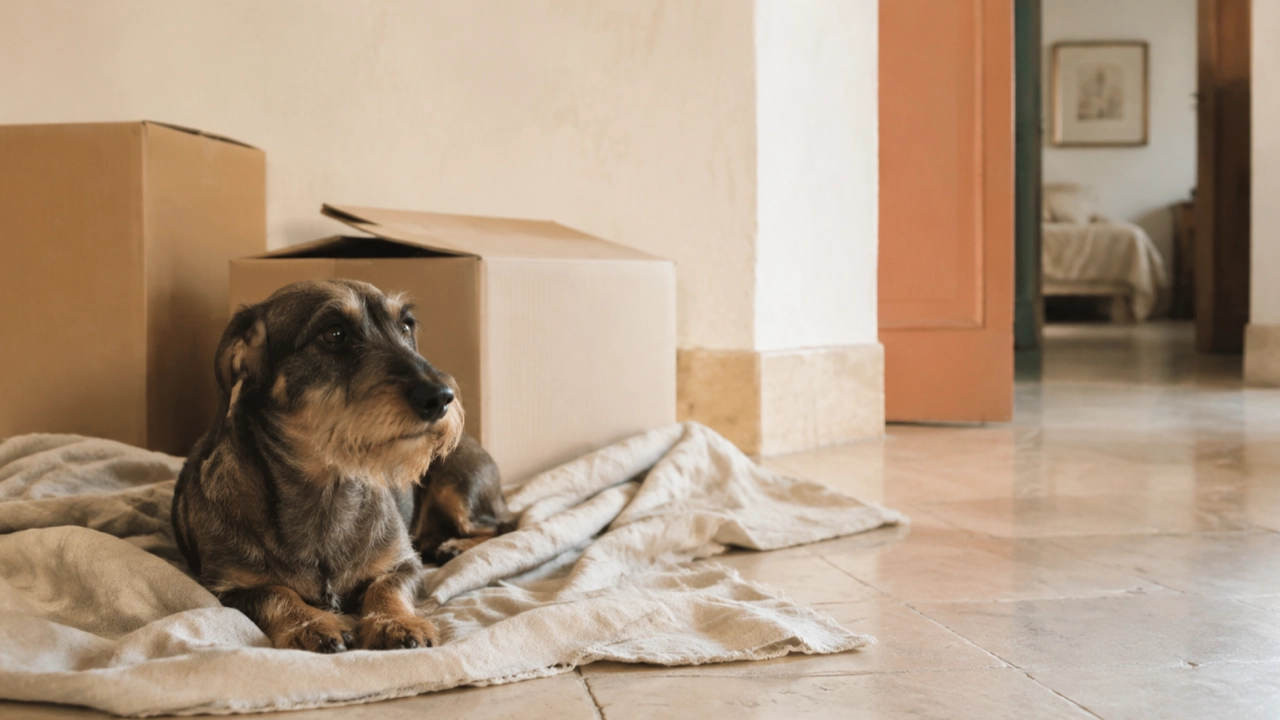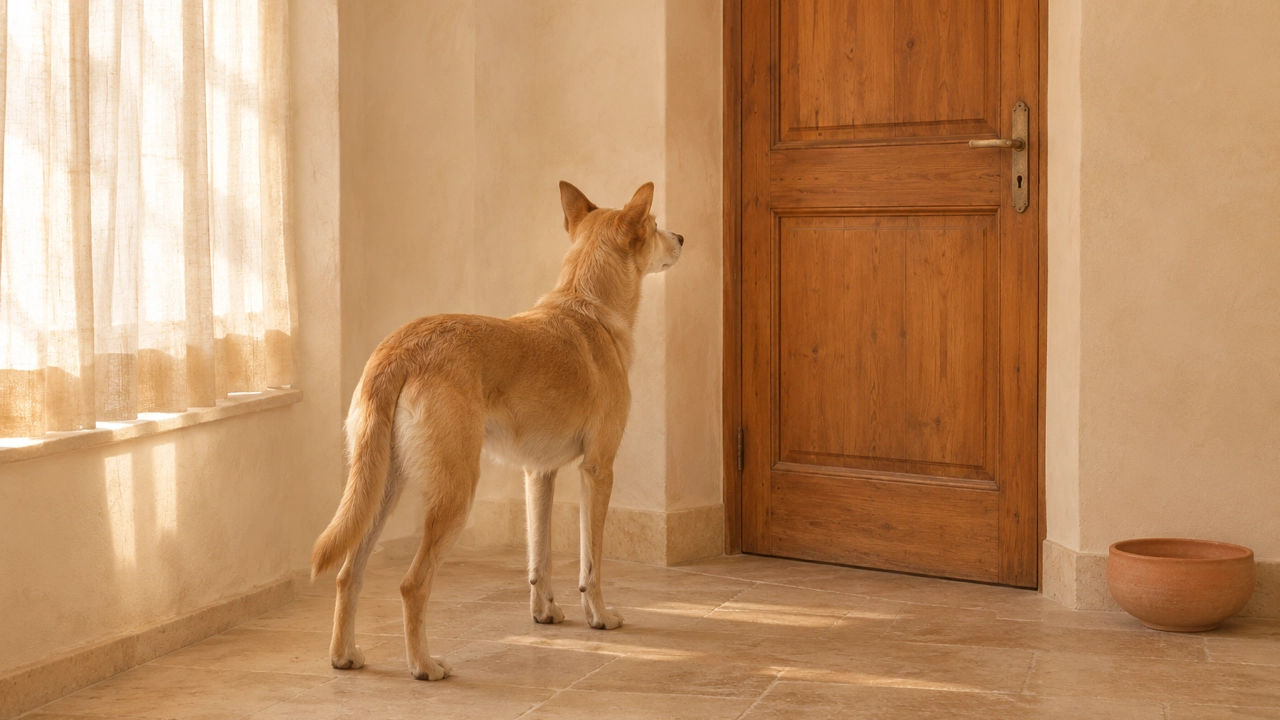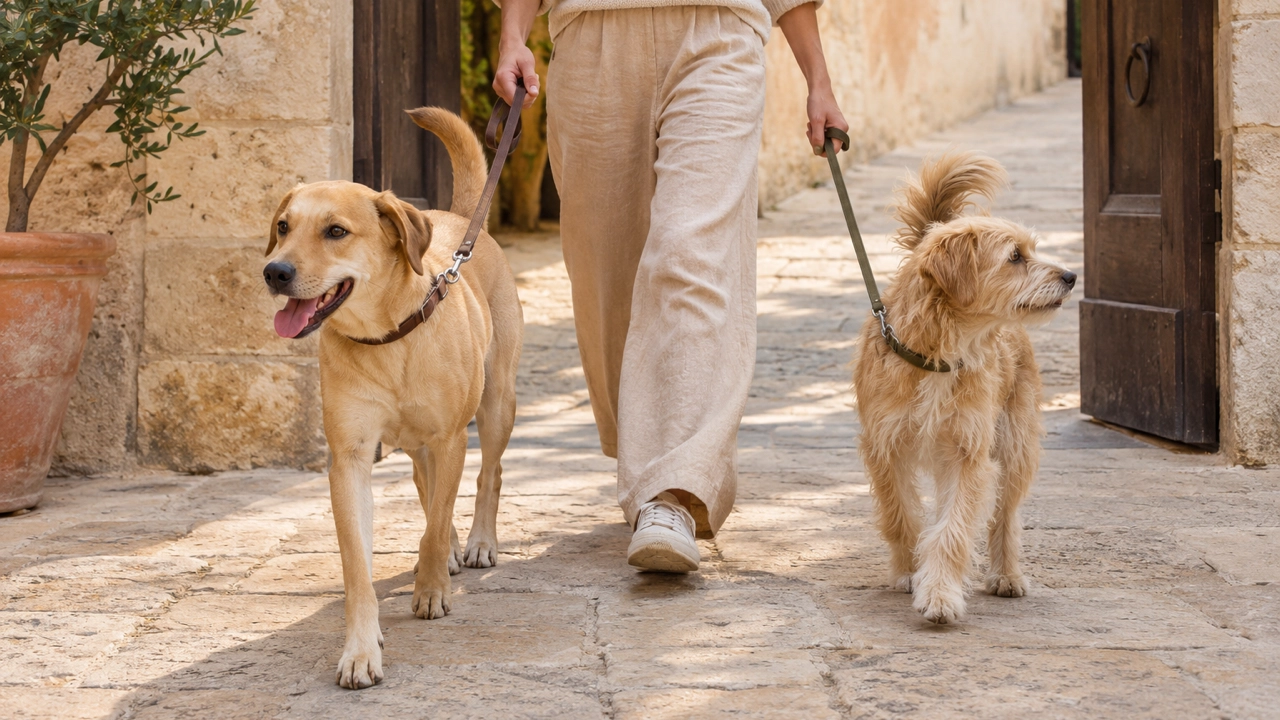
A second dog is easy to imagine. Two dogs asleep in one patch of sun, a playmate for the days you are busy, a household that feels a little fuller. It is much harder to picture the ordinary Tuesday: two walks to fit in, two bowls to fill, two sets of needs that do not always line up.
Neither picture is the whole truth. A second dog can be one of the best decisions a household makes, or one made on a wave of enthusiasm without a plan. This guide sets out how to think it through.
The case for a second dog
The honest upside is companionship. Many dogs are social animals, and a well-matched pair can give each other play, company and a sense of routine that is hard to provide alone.
That said, companionship is not guaranteed, and it is not a substitute for you. A second dog does not replace the time, exercise and attention your first dog needs from a person. If you are weighing it mainly because you feel guilty about how much your dog is on their own, pause there. Our guide to how much attention a dog really needs is a better starting point than a second adoption.
Start with the dog you already have
Your current dog gets a vote, even if they cannot cast it. Think about how they behave around other dogs in ordinary life, not on their best day.
Do they greet other dogs with relaxed, loose body language, or do they stiffen, bark or retreat? Do they share toys, chews and space, or guard them? How do they cope with a visiting dog in your home, where the stakes are higher than on neutral ground? A dog who is wary, anxious or reactive towards other dogs is unlikely to be transformed by a permanent housemate, and the adjustment may be hard on both of them.
If you are unsure how your dog really feels, a qualified trainer or behaviourist can assess them in person. That is a sensible step, not an overreaction.
Does it fix being alone? Usually not
This is the question many people are really asking. If your dog struggles when you leave, a companion can look like the answer.
Usually it is not. Separation distress tends to be about being apart from a particular person, not about being literally by oneself. A second dog in the house does not necessarily change that. In some cases the first dog remains just as distressed, and now there are two dogs to manage. Dogs can also pick up on each other’s behaviour, which means a new arrival may start to copy the anxious one.
If your dog is distressed when left, speak to your vet or a qualified, reward-based trainer or behaviourist first. Work on the cause directly. A second dog is a good decision when your first dog is doing well and the household has room, not a treatment for a problem you have not yet addressed.
The real costs
Two dogs are rarely twice the work in a simple, tidy way. Some things double. Others grow in less obvious ways.
Time
Each dog still needs exercise, feeding, toilet breaks, training and affection. Walking them together can save time, but it only works once each dog is ready on their own; our guide to walking two dogs at once covers the mechanics. Many owners also find they want a solo walk with each dog now and then, which adds hours back. For a baseline routine before you double it, this guide to whether one walk a day is enough is a useful reference.
Money
Food, vaccinations, parasite prevention, insurance, grooming, boarding and routine vet care all repeat for the second dog. Unexpected bills do too, and two dogs means two chances of one. Before you decide, work out what a year of care honestly costs, and whether you could cover a large vet bill for either dog. If it would be tight with one dog, it will be tighter with two.
Space and logistics
Do you have room for two beds, two feeding spots and a way to separate the dogs when needed? Some dogs eat better apart, and some need a quiet place away from the other, particularly in the early weeks.
Check your lease or housing rules, which may limit the number of pets. Consider travel too: another dog means more to arrange for holidays, whether that is boarding, a sitter, or finding places that welcome two.
Matching energy, age and temperament
A compatible pair is more about temperament than about breed or looks.
Energy is the first thing to match. A high-energy young dog may exhaust a mellow older one, who has little interest in play and may find constant pestering stressful. Two very active dogs can also feed each other’s excitement. Play style matters as well: some dogs love rough, chasing games, while others prefer calm company.
Think carefully about age. A puppy brings training, sleep disruption and boundless energy, which is a lot to take on alongside an established dog. An adult of a similar age and temperament is often an easier fit. The dogs’ sex, size and history can all play a part, and there is no single formula. If you are adopting, ask the rescue or breeder what they know about how the dog behaves around others, and listen to their advice.
Be wary of choosing on looks or on a single meeting. A good match shows over time.
Staging the first introduction
A good start sets the tone. Introduce the dogs on neutral ground, such as a quiet park or street, rather than in your home or garden where territory and toys can create tension. If possible, have a second person so each dog has a handler, and keep both on loose leads.
Walk them in parallel at a comfortable distance and let them notice each other without pressure. Reward calm behaviour. Keep greetings short, and watch body language: loose, wiggly movement is a good sign; stiffness, staring, raised hackles or a rigid tail are reasons to add distance and slow down.
When you head home, go gently. Let the dogs in separately at first, and remove high-value items such as chews, toys and food bowls so there is nothing to compete over. Feed them in different spots. Give each dog somewhere to retreat, and supervise closely, especially in the first days. A new arrival can take time to settle, and so can the resident dog; our notes on helping a dog settle after a move apply here too.
Use a trial period, and know when to stop
If you can, arrange a trial. Many rescues offer a foster-to-adopt period or a trial home, and some friends will let you borrow a dog for a weekend. Even a short stay will show you more than any meeting.
Decide in advance what would end it. Normal adjustment includes some wariness and occasional squabbles that resolve quickly. Signs worth taking seriously include repeated or escalating fights, one dog being constantly cornered or hiding, persistent guarding of food or space, or either dog losing their appetite or becoming withdrawn. In those cases, bring in a qualified behaviourist early.
Sometimes it is simply not the right match. Ending a trial is not a failure. It is kinder to both dogs than forcing a pairing that is not working.
A decision, not a default
A second dog is a good idea when you have the time, money and space; when your current dog enjoys other dogs; and when you are choosing because you want another dog, not because you want to solve something else. If any of those are missing, waiting is a perfectly sound answer, and so is deciding that one dog is the right number.
Take your time, get honest about the everyday detail, and let the dog you already have help you decide. The best household is the one in which every dog, and every person, has what they need.